
Monitoring and conserving mixed breeding colonies of herons in Benin
The project builds on previous efforts monitoring and conserving mixed breeding colonies of herons, African Openbill Storks, and African Cormorants in southern Benin. There, wetlands are increasingly threatened by habitat degradation, hydrological instability, and human disturbance. Surveys conducted between 2023 and 2025 revealed a sharp decline in both the number of breeding pairs and species diversity. Several long‑established colonies disappeared completely, while only a few showed relative stability or positive trends. Drone and ground‑based monitoring confirmed widespread pressures, including disturbance from fishing activities, and the disappearance of suitable nesting trees on multiple sites.
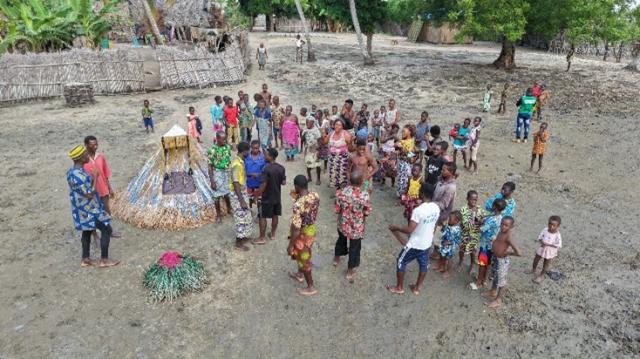
To address these threats, the project implemented a community‑based conservation approach that included training 20 young people in ecological monitoring, sensitising over 280 local residents, and establishing village surveillance committees. Key cultural mechanisms, such as the sacralisation of heronries through traditional authorities, were reinforced to help prohibit tree cutting, hunting, and disturbance during the breeding season. These actions aim to foster long‑term stewardship, protect critical mangrove habitats, and stabilise declining waterbird populations. The project ultimately seeks to combine scientific monitoring, habitat management, and strong community participation to secure the future of these important breeding colonies.