
Climate impact models can help strengthen resilience of coastal wetlands along the East Atlantic Flyway
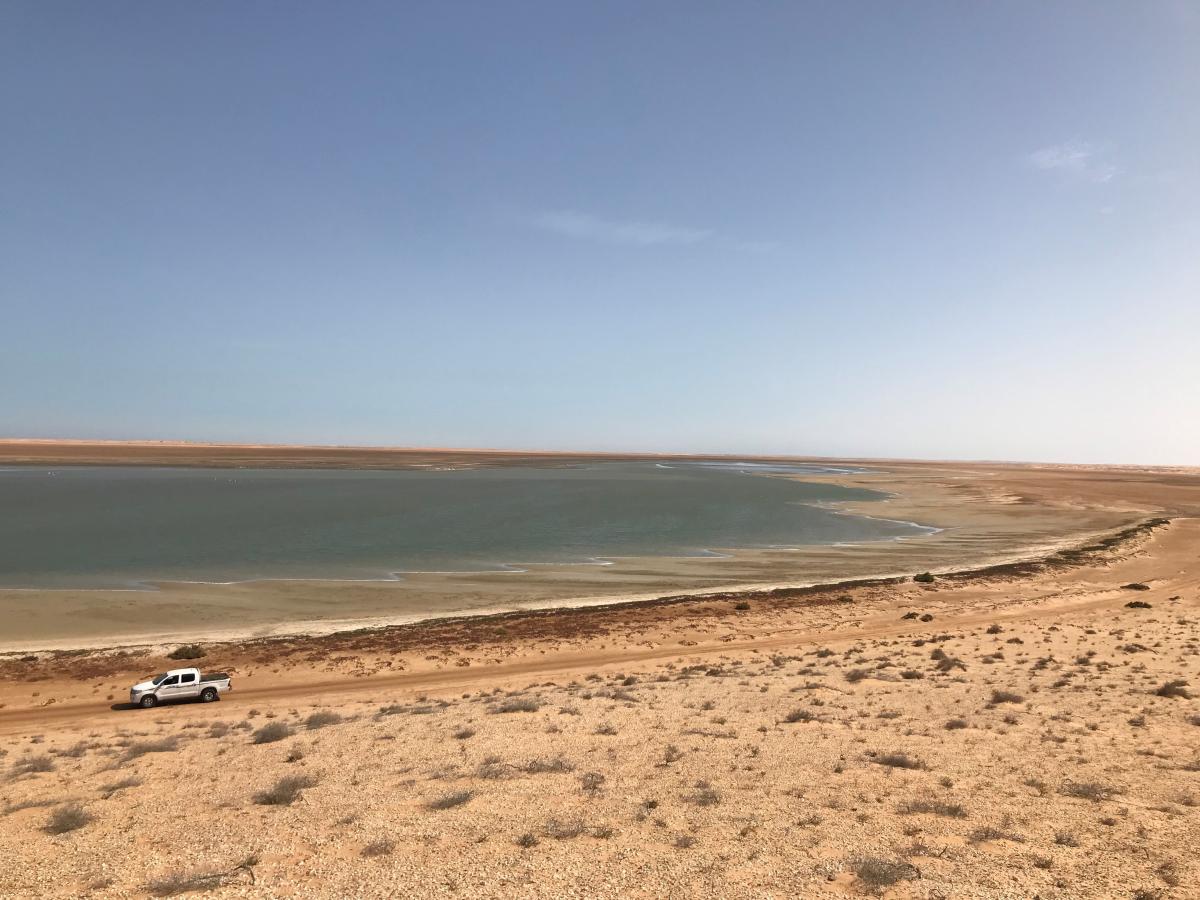
Coastal wetlands along the East Atlantic Flyway are increasingly vulnerable to climate‑driven threats. The Climate‑Resilient East Atlantic Flyway (CREAF) project is developing tools and guidance that enable site managers and researchers to develop effective climate related management measures essential for safeguarding ecosystems, migratory bird populations, and the livelihoods of local communities. The newly published methodological guidelines are the first step in ensuring adequate data availability for modelling climate impacts at the site level.
Climate change is reshaping coastal habitats worldwide. Sea level rise, storm surges and changing sediment dynamics threaten the ecosystem functionality of coastal wetlands, putting migratory bird populations and local livelihoods under growing pressure. A better understanding of local changes and threats is key to develop effective and sustainable management solutions.
By integrating hydrological, ecological and socio-economic data, climate impact models help predict how climate change may affect local wetlands, supporting informed decision-making on risk management, climate adaptation and long-term planning. As global models often fail to capture local environmental conditions and processes, leading to uncertain predictions and limiting their usefulness for site-level management, there is a need to strengthen local monitoring efforts
A key step in this effort is a new set of methodological guidelines prepared by Helmholtz‑Zentrum Hereon on behalf of the Common Wadden Sea Secretariat. The guidelines outline how local site managers and researchers can set up tailored climate impact monitoring and modelling systems that reflect the unique dynamics of the tidal wetlands along the flyway. The guidelines also provide practical examples from two internationally significant sites: the Banc d’Arguin in Mauritania and the Bijagós Archipelago in Guinea-Bissau.
By strengthening local monitoring and research capacity, these guidelines help improve the accuracy and relevance of climate impact models. This, in turn, will enable better predictions of future risks and allow the design of sustainable solutions that work for both nature and people. Through science-based, locally informed approaches, CREAF contributes to safeguarding critical coastal wetlands and the migratory bird populations and communities that depend on them.
The Climate-Resilient East Atlantic Flyway project was developed and is implemented within the framework of the Wadden Sea Flyway Initiative of the Trilateral Wadden Sea Cooperation and is supported by the International Climate Initiative of the German government.