
New publications support gender-responsive conservation along the East Atlantic Flyway
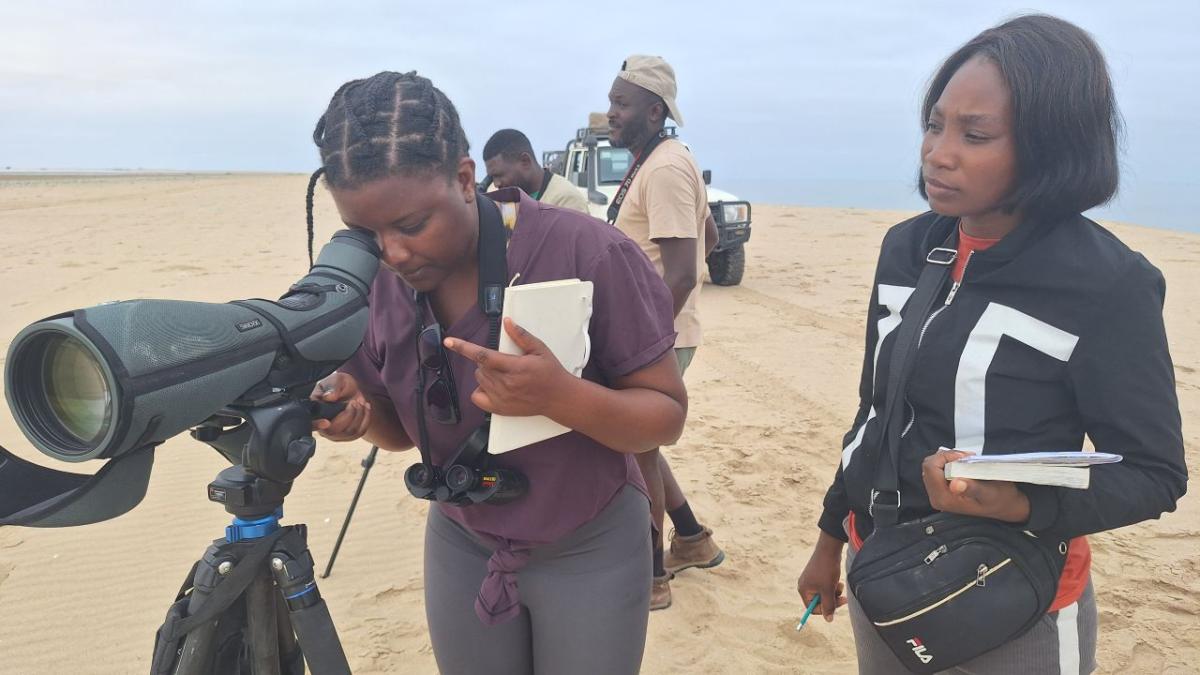
Coastal wetlands are shaped not only by ecological processes, but also by the people who depend on them. A new package of guidance documents developed for the Climate Resilient East Atlantic Flyway (CREAF) project explores how gender and intersectionality influence conservation, climate resilience and livelihoods across the East Atlantic Flyway.
The package consists of three complementary publications: an intersectional gender analysis, a practical toolkit for activities, and a policy synthesis with recommendations for strengthening gender-responsive implementation across the consortium.
Together, the publications encourage partners to consider how gender intersects with factors such as age, ethnicity, livelihoods, migration, governance systems and local knowledge when planning and implementing conservation activities in line with the International Climate Initiative (IKI) Gender Strategy.
Effective Conservation Involves Everyone
A key message of the publications is that conservation is strengthened when it recognises the diversity of people who depend on and manage coastal wetlands. Rather than treating gender in isolation, the guidance takes an intersectional approach, recognising that factors such as age, ethnicity, livelihoods, migration and governance systems influence how people experience climate change, participate in conservation and benefit from project activities. This perspective helps ensure that conservation actions are both more inclusive and more effective over the long term.
Lessons From Key Sites
Using examples from the project's implementation sites in Mauritania, Senegal and Guinea-Bissau, the gender analysis demonstrates how these principles play out in practice. It highlights the ecological knowledge and contributions of women working in fisheries, shellfish harvesting and processing, while showing how their roles in food security, climate adaptation and wetland stewardship are often underrepresented in formal conservation planning and governance.
From Research to Practice
The toolkit translates findings from the project sites into practical guidance for implementation. It encourages partners to reflect on who participates in project activities, whose knowledge is recognised, and how conservation actions can be designed to benefit different groups fairly. It includes guidance for monitoring and research, wetland management, policy and governance, livelihoods, communication, and monitoring, evaluation and learning.
Although developed for the CREAF project, the guidance has wider relevance for conservation practitioners, researchers and organisations working at the interface of biodiversity conservation, climate adaptation and community engagement. By combining evidence, practical tools and policy recommendations, the publications aim to support more inclusive conservation planning and decision-making across the East Atlantic Flyway and beyond.
View publications: